

文章: Quiet luxury. Why fashion houses are targeting the golf market
Quiet luxury. Why fashion houses are targeting the golf market
Golf has long been an attractive proposition for luxury brands, yet few have managed to establish a meaningful foothold in the sport. That, however, may be beginning to change.
What was once viewed as a conservative apparel niche is rapidly evolving into a compelling intersection of luxury, lifestyle, travel, and wellness.
The catalyst was the COVID-19 pandemic. As one of the few sports that remained accessible during lockdowns, golf experienced a surge in participation that extended beyond traditional audiences.
Golf is becoming younger, more diverse, more fashion-conscious, and increasingly tied to premium leisure experiences. At the same time, luxury fashion houses have been looking beyond traditional runway categories and expanding into broader lifestyle ecosystems that encompass sport, hospitality, wellness, and experiential consumption.
So, golf is emerging as a powerful platform through which luxury brands can engage with several highly affluent and strategically valuable consumer segments.
WHY GOLF APPEALS TO LUXURY BRANDS
1. Golfers are High Net-Worth
Golfers typically have higher household incomes, greater luxury spending power and strong affinity for premium travel and hospitality. As a result, luxury brands have started seeing golf as not just a sports category, but as an entry point into affluent lifestyle consumption which creates cross-category marketing opportunities that few sports can match.
2. Golf is Social Media-Friendly
Modern golf culture is deeply integrated with Instagram, TikTok, and YouTube. Professional golfers and influencers now function similarly to the fashion ambassadors that luxury brands increasingly collaborate with.
3. Golf Aligns Well with “Quiet Luxury”
The quiet luxury movement strongly overlaps with golf aesthetics. Brands such as Loro Piana and Brunello Cucinelli fit naturally into this environment because golf consumers often prefer sophistication over overt branding.
4. Luxury Golf Tourism is Expanding Rapidly
Golf resorts have become extensions of luxury retail environments. Luxury fashion brands increasingly target these ecosystems because they create opportunities for resort boutiques, exclusive capsule collections and branded experiences.
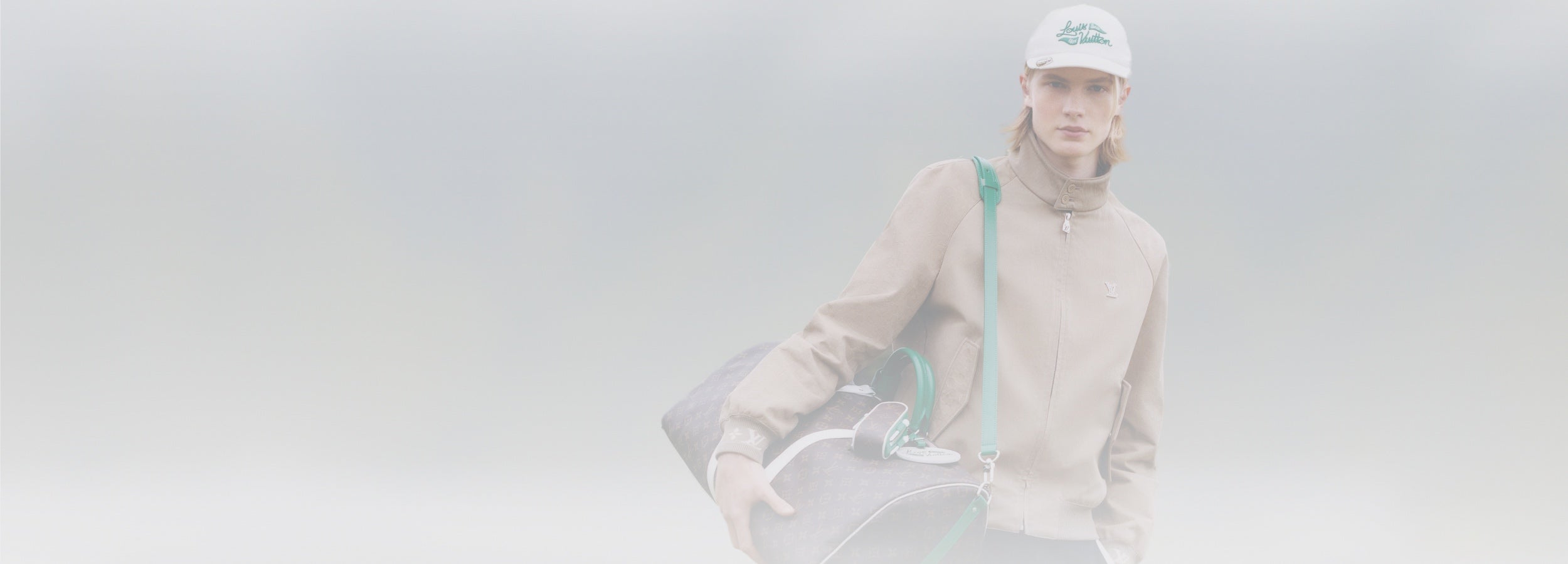
Louis Vuitton
Louis Vuitton is one of the primary examples of how luxury fashion houses are expanding their golfing footprint.
They entered golf through accessories and travel products long before moving deeper into lifestyle positioning. They now make golf bags and leather accessories which align naturally with the brand’s heritage in luxury travel.
The company increasingly uses golf-adjacent imagery in campaigns emphasising resort culture, private clubs and elite leisure lifestyles. Rather than competing directly with performance sportswear companies, Louis Vuitton positions golf as part of an aspirational luxury universe.
Gucci
Gucci has also aggressively embraced sport-luxury crossover culture. Its golf-inspired apparel, knitwear, polos, loafers, and monogram accessories target younger affluent consumers who view golf as a fashion-forward social activity rather than merely a traditional sport.
Gucci’s strategy reflects a broader trend where luxury consumers increasingly wear golf-inspired clothing off the course.
Dior
Dior’s collaborations with athletes and their emphasis on refined sportswear have helped the brand tap into golf’s luxury demographic indirectly. The rise of “quiet luxury” aesthetics—minimal logos, elevated tailoring and technical fabrics aligns closely with golf fashion trends.
Prada
Prada has focused heavily on technical luxury apparel, performance fabrics, and minimalist athletic styling. This approach aligns naturally with modern golf consumers who increasingly demand hybrid sportswear suitable for both on and off the course.
David Alexander
A number of startup companies are also emerging with an innovative take on brand development in the affordable luxury golf market.
DNA Golf is a St. Andrews-based company developing high-end golf accessories (headcovers, shoe-bags) under the David Alexander Golf brand.
They talk about taking the quiet luxury movement to another level through identity-based product personalisation that enable players to ‘move beyond the brand’.
According to managing director, Gavin McClement, ‘Historically fashion houses have focused on extending their brand into golf. But now they are developing much more bespoke products around customer performance and style requirements. They are trying to tap into the emotional attachment people have to the sport and develop products that enable players to express their individuality in a much more stylish way'.
THE FUTURE OF LUXURY GOLF
Over the next decade, luxury fashion’s involvement in golf is likely to deepen significantly. Several trends seem to be emerging:
- Hybrid Luxury Performance Wear - consumers increasingly want apparel that transitions seamlessly between golf, travel, business casual and leisure.
- Women’s Luxury Golf Fashion - female participation in golf is growing globally, creating a major opportunity for luxury apparel, accessories, and footwear.
- Experiential Luxury - luxury brands are moving beyond products towards branded golf events, private member experiences, hospitality partnerships and destination activations.
- Sustainability - golf faces scrutiny over land use and environmental impact. Luxury brands are responding with sustainability-focused materials, recycled textiles and eco-positioning strategies.
The Asian Opportunity
Asia may become the most important luxury golf market in this time. In South Korea for example, golf participation among affluent younger professionals has surged, and golfers spend heavily on fashion and accessories. Luxury golf apparel has also become deeply integrated into status culture.
In China, golf remains associated with prestige and business networking despite periodic government restrictions on course development. As China’s affluent consumer class grows, luxury brands view golf as a strategic long-term category.
Meanwhile, emerging golf tourism markets such as Vietnam and Thailand are attracting affluent international travellers who combine golf with luxury hospitality experiences.
Golf has evolved from being a conservative sport apparel niche into an important intersection of luxury, lifestyle, travel, wellness, and status consumption.
Luxury fashion brands have recognised that golf is no longer simply a sport. It is a cultural ecosystem that combines wealth, travel, wellness, networking, fashion and aspiration.
As golf becomes younger, more global, and more lifestyle-oriented; luxury brands are repositioning themselves to capture a growing segment of affluent consumers who see golf as an extension of personal identity and social status.
The result is a new era in which fairways, clubhouses, luxury resorts, and fashion runways increasingly overlap.